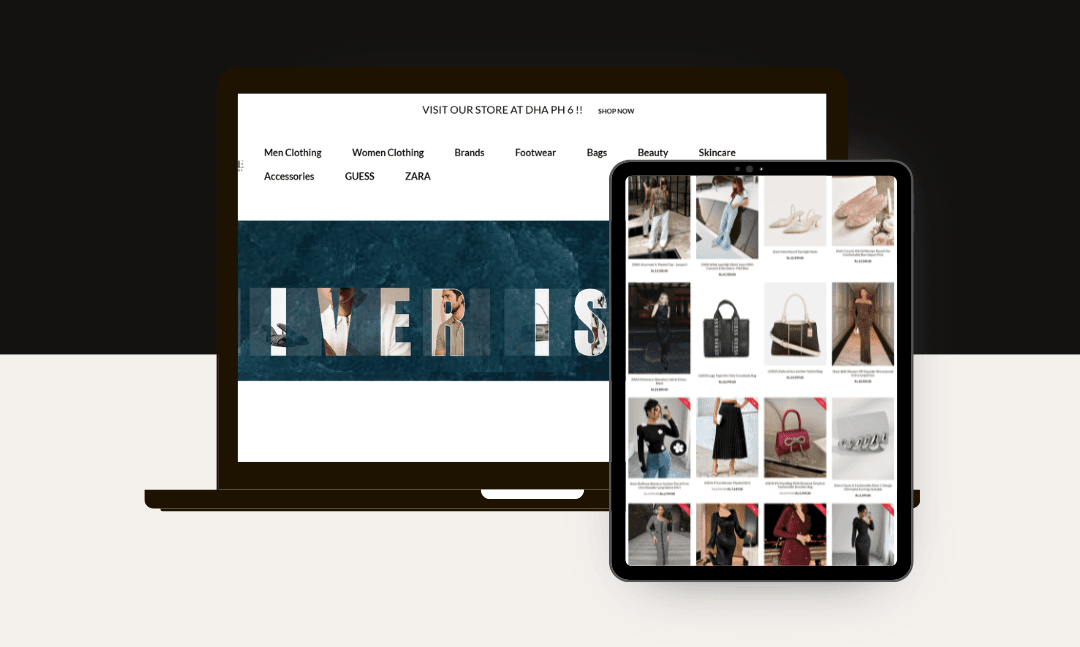
Good design is invisible: people finish the task and don't remember the interface. We get there through research first - talking to actual users before opening Figma - then design as a system, not a set of one-off screens, so new features stay consistent as the product grows. Every deliverable is engineering-ready: component specs, states, and edge cases documented, not just polished mockups. Revisions are scoped upfront so the process stays predictable, and handoff includes working sessions with your developers, not just a file link.
We scope the real problem before writing a line of code.
Systems and interfaces, prototyped and tested with you.
Clean, documented, production-grade builds — weekly demos.
Launch, then a support tier that keeps it fast and current.
“The only vendor that told us when 3D wasn't the answer. That's rare.”
Every build ships with the same support tier — standardized because it’s a product, not a favor.
Research and usability findings first, then a component-based system, then engineering-ready specs. Each phase has a defined deliverable, not an open-ended exploration.
Yes - usability sessions with actual users before design work starts whenever the project and timeline allow for it. Assumptions get tested, not just documented.
You get component specs, states, and edge cases documented, plus working sessions with your engineering team - not just a Figma link and good luck.
Scoped upfront during discovery so both sides know what's included before work starts, rather than negotiating it after the fact.